Residential Redesign : Examine the Key Offerings That Can Renew Your Residential Area
Home remodeling is a strategic approach to enhance both the functionality and visual charm of a residence. By focusing on important spaces such as the kitchen, bathrooms, and exterior areas, homeowners can greatly improve their living environments. Each upgrade introduces distinct chances and obstacles. Grasping these factors can pave the way for educated selections and positive conclusions. What specific aspects should homeowners think about before starting their remodeling process?
Kitchen Renovation: Modernizing the Home's Core
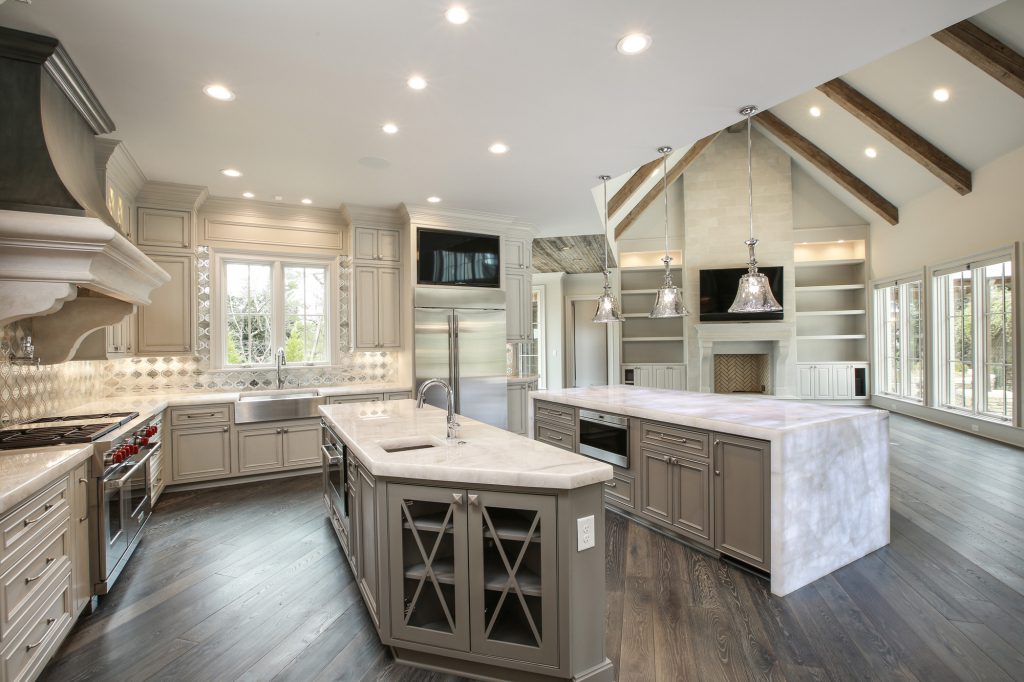
As homeowners aim to improve their residential areas, the kitchen remodel emerges as a transformative project that can notably elevate both practical use and beauty. A well-executed kitchen upgrade can improve the effectiveness of meal preparation, optimize storage, and create a more inviting atmosphere for family gatherings and hosting visitors.
Crucial components such as modern appliances, updated cabinetry, and fashionable surfaces can vastly enhance the space. Homeowners frequently choose open layouts, which promote connection between the kitchen and adjoining living areas.
Lighting is highly important, with options including general lighting to focused illumination that illuminates work areas.
Using eco-friendly products and power-saving devices doesn't just support environmental stewardship but can also lead to reduced expenses. Finally, kitchen remodeling is more than just aesthetics; it is an investment that can enhance daily living experiences while raising the home's worth.
Bathroom Remodeling: Designing a Luxurious Getaway
Bathroom renovations can transform a basic area into a luxurious retreat. By adding high-end fixtures and materials, homeowners can elevate the look and utility of their bathrooms. Moreover, smart spatial planning can enhance the overall experience, allowing even small bathrooms to feel expansive and inviting.
Luxurious Fixtures and Finishes
Converting a bathroom into a personal sanctuary depends heavily on the selection of high-quality fittings and surfaces that boost both aesthetics and functionality. Premium fixtures and fittings, crafted from metals like chrome or nickel finishes, lend an elegant touch while offering excellent functionality. Freestanding soaking tubs and large walk-in showers, featuring decorative tile patterns and glass enclosures, create a serene atmosphere. Adding natural stone surfaces and tailored storage solutions enhances the overall appeal, delivering elegance and function. Atmospheric illumination, including wall sconces or ceiling lights, further sets a tranquil mood. Through thoughtful selection of these features, residents are able to build a relaxing retreat that encourages rest and revitalization, effectively changing mundane activities into pampering events.
Maximizing Bathroom Space
Building a relaxing haven requires not only high-end fittings and materials but also effective space optimization techniques that maximize the available area. One effective approach involves making use of vertical room using wall-mounted units and shelves, which can keep the floor uncluttered and establish a more open atmosphere. Additionally, incorporating multi-functional furniture, like a storage-equipped vanity, boosts utility and cutting down on unnecessary pieces. Well-planned lighting, including recessed fixtures and soft ambient lights, also helps establish a welcoming mood without making the area feel crowded. In addition, employing bright color tones and reflective surfaces makes the room look larger, allowing it to seem less confined. By thoughtfully implementing these techniques, a bathroom can transform into a serene sanctuary, combining style with utility.
Living Room Upgrades: Enhancing Comfort and Style
When homeowners seek to elevate their living spaces, they usually prioritize improvements that enhance both comfort and style in their main sitting room. Major changes often feature the selection of plush, inviting furniture that invites rest and fitting the room's design. Adding cozy fabrics, such as area rugs and throw pillows, brings in texture and coziness, establishing a comfortable mood.
Additionally, updating lighting fixtures with stylish designs and dimmable controls transforms the atmosphere, creating a more appealing environment. A coat of paint or decorative paper with tranquil tones can further breathe new life into the room, creating a unified appearance.
Moreover, adding contemporary tech, such as integrated smart devices, doesn't just improve ease of use but also adds a contemporary touch. Through making these intentional improvements, residents are able to convert their sitting areas into elegant, comfortable retreats that mirror their individual aesthetic.
Exterior Living Areas: Enlarging Your Home's Area
Exterior living areas are now a very popular addition to the residence, giving owners a chance to experience the outdoors and boosting their home's utility and beauty. These spaces often include outdoor kitchens, decks, and patios that facilitate entertaining and relaxation. By incorporating features such as water features, fire pits, and cozy seating, homeowners can create inviting environments for relaxed evenings or hosting family events.
The role of landscaping is crucial in planning outside living areas, offering an easy flow between indoor and outdoor spaces. Strategic placement and selection of plants is able to improve seclusion while establishing a tranquil environment. Moreover, adding lighting features can extend usability into the evening hours, transforming the space into a vibrant social hub.
Finally, putting money into outdoor spaces doesn't just grow the home's area but also raises its market value, appealing to potential buyers in today’s real estate market.
Basement Remodeling: Utilizing Vacant Space
Transforming an unused basement to create livable space greatly increases the utility and value of a home. Homeowners often overlook this area, however, careful design and planning, it is capable of fulfilling many roles like an entertainment zone, home office, or guest suite.
Key considerations in basement finishing include moisture control, insulation, and proper lighting. A successful remodeling project may integrate features such as updated flooring, stylish finishes, and integrated storage which create a welcoming atmosphere.
Additionally, adhering to local building codes and regulations is vital for guaranteeing safety and adherence. It is also common for owners to seek expert help to manage the challenges of construction and design.
Finally, a completed basement does more than just increase the home's usable space but also provides a sanctuary that meets the diverse needs of modern families, which makes it a beneficial expenditure for homeowners.
Whole House Remodeling: An Extensive Redesign
Whole house remodeling requires thorough design preparation so that each element of the house aligns with the owner's requirements and vision. Creating a budget for the remodel is just as important, as it helps to manage expenses and prevents unforeseen expenses during the work. These elements combined create the framework for a complete and successful home makeover.
Design Planning Essentials
What essential elements should homeowners consider when starting on an extensive home remodeling project? First, a clear vision is critical; homeowners should identify their goals and desired outcomes for the space. Next, understanding the layout and flow of the home helps in maximizing functionality. Homeowners should also assess existing structures to determine what can be retained or needs alteration. Engaging with professional designers can provide valuable insights and innovative solutions tailored to individual needs. Additionally, considering the lifestyle of the occupants is significant, as it influences design choices, materials, and finishes. Finally, determining a timeline for the project guarantees that expectations are managed, allowing for a smoother implementation of the remodeling process.
Budgeting for Renovations
As homeowners commence on an extensive remodel, establishing a realistic budget becomes imperative. This process requires meticulous planning and consideration of various factors, including materials, labor, and unforeseen expenses. Homeowners should begin by evaluating their financial situation and determining how much they can allocate for the entire project. It is advisable to create a detailed list of expected costs, accounting for both essential renovations and desired upgrades. Additionally, setting aside a contingency fund—typically 10-20% of the total budget—can help manage unexpected issues that may arise during supplementary information the renovation. By prioritizing needs versus wants, homeowners can guarantee that their ambitious remodeling projects remain financially feasible, ultimately leading to a successful and satisfying transformation of their living spaces.
Frequently Asked Questions
How Do I Budget for a Home Remodeling Project?
To budget for a home remodeling project, one should assess overall costs, prioritize needs versus wants, gather multiple quotes from contractors, allocate a contingency fund, and track expenses meticulously throughout the renovation process.
What Permits Are Required for Home Renovations?

Permits for home renovations typically include building permits, electrical permits, plumbing permits, and possibly zoning permits. Requirements vary based on location, which means consulting local authorities or a contractor secures conformity to all rules.
How Do I Find a Suitable Builder?
In order to pick a suitable professional, you must look into their background, examine feedback, get several quotes, contact previous clients, and guarantee clear communication regarding expectations and timelines. Trust and rapport are essential to ensure a good working relationship.
How Long Does a Remodel Usually Take for the Construction Work?
The average schedule for a remodel varies, generally taking a couple of weeks to half a year. Things such as the extent of the work, the professional's capacity, and unanticipated issues can greatly influence the entire length of the renovation project.
How Can I Minimize Disruption During Renovations?
To minimize disruption during renovations, one can establish clear communication with contractors, create temporary living spaces, schedule work for less intrusive hours, and maintain a flexible routine, thus guaranteeing a more seamless process for everyone concerned.